
Standardized Vetting Unit Barbados
“Truth. Clarity. Integrity.”
What is a polygraph test?
A polygraph test, commonly known as a lie detector test, is a technique used to determine whether a person is being truthful or deceptive. It is often used in security screenings, criminal investigations, and internal investigations to validate the credibility of statements.
How It Works:
The polygraph test measures several physiological responses while the subject answers a series of structured questions. These responses include:
Heart rate
Blood pressure
Respiration rate
Skin conductivity
The science behind the polygraph is that deceptive answers produce physiological responses that can be distinguished from those associated with truthful answers.
The Process:
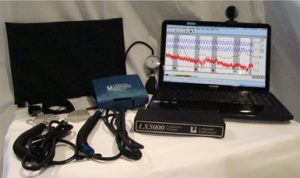
Pre-Test Interview: The examiner explains the process and reviews questions that will be asked.
Sensor Attachment: Sensors are placed on the person’s chest, arm, and fingers to monitor physiological responses.
Test Phase: The subject answers a series of questions.
Analysis: The examiner analyzes the physiological data for signs of deception.
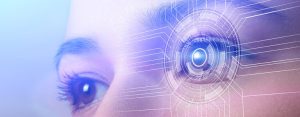
What is Eyedetect?
EyeDetect is a newer, science-based technology used to detect deception by measuring involuntary changes in a person’s eye behavior. It is non-invasive, quick, and does not require the use of wires or sensors attached to the body.
How It Works:
EyeDetect uses a specialized high-speed infrared eye-tracking camera to monitor:
Pupil dilation
Eye movement
Blink rate
Reading behavior
These subtle changes are associated with increased cognitive load and stress when a person is being deceptive.
The Process:
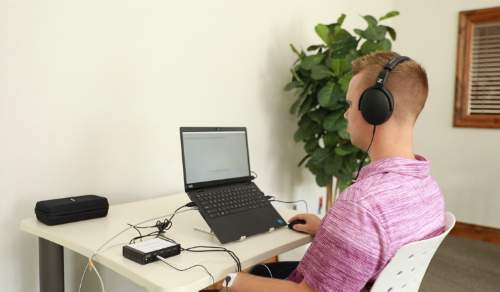
Setup: The subject sits in front of a computer with an eye-tracking camera.
Instructions: Clear guidance is given on how the test works and how to respond.
Test: The subject answers a series of multiple-choice questions displayed on screen.
Analysis: The system analyzes the eye behavior patterns to generate a score indicating the likelihood of deception.
EyeDetect is fast—typically taking about 30-45 minutes—and results are available almost immediately. It is often used alongside polygraph to enhance decision-making.
Which Test Might Be Used
Polygraph
- Trusted & Proven: Used by law enforcement and security agencies for decades.
- Human Interaction: Allows follow-up questions and clarification during the interview.
- Multi-Sensor Monitoring: Tracks heart rate, breathing, and sweat levels.
- Good for Complex Cases: Helpful in serious investigations or when detailed answers are needed.
EyeDetect
Quick & Non-Invasive: No wires—just sit and look at a screen.
Fast Results: Tests take 30–45 minutes with near-instant results.
Automated Scoring: Results are computer-scored, reducing bias.
Efficient for Mass Screening: Ideal for testing many people quickly.
Less Stressful: Many people feel more comfortable with EyeDetect than traditional polygraphs.
FAQs
| Criteria | Polygraph | EyeDetect |
|---|---|---|
|
Technology |
Measures physiological responses |
Uses eye-tracking to monitor pupil dilation, eye movement, and reading behavior. |
|
Invasiveness |
Moderate —Requires physical sensors to be attached to the body. |
Low —uses a computer and infrared eye-tracking camera. |
|
Test Duration |
Typically 120 to 240 minutes. |
Typically 30 to 45 minutes. |
|
Examiner Involvement |
High — examiner conducts, observes, and interprets the test in real time. |
Low — Administrator only sets up the test; system handles analysis. |
|
Result Scoring |
Manually scored by a trained examiner. |
Fully automated algorithm provides instant results. |
|
Overall Cost |
Higher, due to equipment, duration and personnel needs |
Lower, due to quicker tests and reduced resource requirements.
|
Audio and Video Recording
All polygraph and EyeDetect exams are audio and video recorded to ensure transparency, accountability, and accuracy. These recordings provide a verifiable record of the testing process, protect both the examiner and the examinee, and can be reviewed if questions arise about the conduct or outcome of the exam.
- Need Assistance?
+1 (246) 629-2211
The Standardized Vetting Unit Barbados.
Important Notes
- Be Honest: Being truthful makes the process smoother.
- Stay Calm: Normal nervousness is expected. Stay relaxed.
- Get Rest: Avoid fatigue, heavy meals, alcohol, or stimulants .
- Arrive Early: Give yourself time to settle in and reduce stress.
- Ask Questions: Don’t hesitate to seek clarity .
- Stay Hydrated: Drink plenty of water and avoid excessive caffeine